- Inspection pit or hydraulic jack with support trestles.
- Special tool for releasing the oil filter (oil filter pliers, tension band wrench or HAZET-2172 tool).
- A set of replacement socket wrenches for releasing the engine oil drain plug, as well as an oil container that will hold at least 7 liters.
The following parts subject to wear need to be replaced:
- O-ring for drain plug (sometimes supplied with oil filter).
- Replacement filter element of the oil filter. When purchasing a replacement, indicate the model and year of manufacture. Use only FORD oil filter.
- Depending on engine 3.75-6.6 L of engine oil. Use only FORD approved engine oils, see page 33.
Lubrication system capacity
| Engine | With filter replacement, l | Without filter replacement, l |
| ONS | 3,75 | 3,25 |
| DOHC 8V | 4.5 | 4.0 |
| DOHC 16V | 4.25 | 3.75 |
| V6 | 4.5 | 4.2 |
| Diesel and TD | 5.6 | 5.0 |
| TD since 9/93 | 6.6 | 6.0 |
The engine oil should be changed every 15,000 km. If the vehicle mileage does not exceed the specified value, the oil should be changed once a year. At the same time, the filter element of the oil filter should be replaced. Under severe operating conditions, such as short trips, frequent cold starts and heavy dust, the engine oil and oil filter should be changed at shorter intervals.
Attention: Old oil must in any case be handed over to special collection points for used oil. Oil sales points accept the appropriate amount of old oil free of charge, so when buying oil, you must keep the receipt and canister for subsequent delivery of old oil! District and city administrations inform about the location of the nearest collection point for used oil. In no case should old oil be simply drained or thrown away with household waste. This inevitably causes great harm to the environment by poisoning groundwater.
Draining engine oil
Warm up the engine to operating temperature (not less than +60°C). Warm up the engine during the trip, having driven 10-15 km for this.
Raise the car horizontally.
Place a container under the drain plug of the pan to drain the old oil.
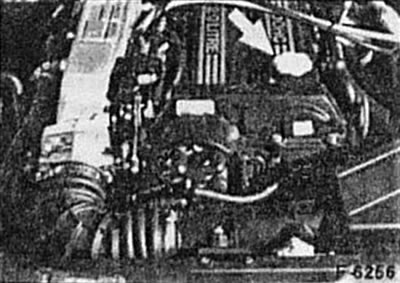
Unscrew the oil filler cap "arrow".
Remove the oil pan drain plug and completely drain the old oil.
Caution: If large amounts of metal shavings and wear products are found in the engine oil, this indicates scoring, for example, of the main or connecting rod bearings. To avoid subsequent damage, it is necessary to thoroughly clean the oil passages and oil hoses after engine repair.
Tighten the drain plug with a new sealing ring to a torque of 25 Nm (diesel engine: 35 Nm).
Lower the car.
Replacing the oil filter
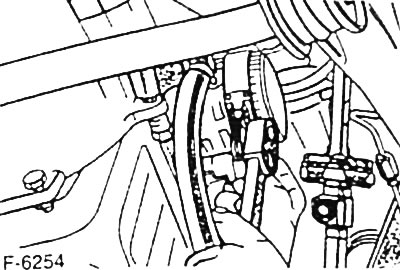
Place a container under the oil filter to drain the old oil. There is a special tool for unscrewing the oil filter, for example. HAZET 2172. You can also drive a pointed screwdriver into the filter from the side.
Clean the flange under the oil filter on the engine block using fuel. Remove any remaining seal from the flange.
The rubber seal on the new oil filter is easily lubricated with engine oil.
Tighten the new oil filter by hand until the filter seal is flush with the flange on the cylinder block. Then use a strap wrench to tighten the filter another 3/4 turn. Follow the instructions on the filter housing.
Caution: Use only the oil filter intended for this vehicle model.
Filling with engine oil
Fill in new oil through the filler neck on the cylinder head cover. Then check the engine oil level using the dipstick.
Tighten the oil filler cap.
Note: It is recommended to first add 1/2 liter less engine oil, start and warm up the engine, and after a few minutes check the oil level and top up if necessary. Excess oil must be sucked out, otherwise it may damage the engine seals or the catalytic converter.
After the test drive, check the tightness of the drain plug and the oil filter seal; if necessary, carefully tighten the seals.
Warm up the engine to operating temperature, stop it and after about 2 minutes check the oil level again and adjust the level if necessary.
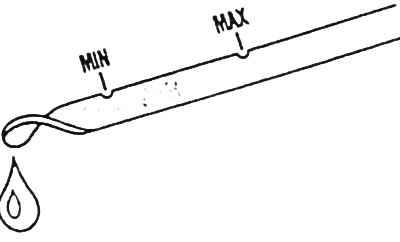
The difference in oil volume in the engine sump between the MIN and MAX marks on the oil level indicator is approximately 0.5 to 1.0 liters. The engine oil level should always be between these marks.
Caution: Never fill the engine oil above the MAX mark. Too high a level of engine oil during operation may cause damage to the catalytic converter or engine seals.
In order to be able to control the operating conditions of the engine, when changing the oil, it is necessary to always use new oil of the same type and, if possible, the same brand. Therefore, it is advisable to attach a plate to the engine each time the oil is changed, indicating the brand and viscosity of the oil added.
Alternate and indiscriminate use of different types of oils has an adverse effect on engine operation. Motor oils of the same type but different brands should not be mixed if possible. Motor oils of the same type and brand but different viscosity can be added at once during the off-season period if necessary.