Brake system of the car Ford Fusion

Features of the brake system
The Ford Fusion is equipped with two independent brake systems: service and parking. The first, equipped with a hydraulic drive, provides braking when the car is moving,...
The Ford Fusion is equipped with two independent brake systems: service and parking. The first, equipped with a hydraulic drive, provides braking when the car is moving,...
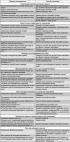
Possible malfunctions of the brake system
Possible malfunctions of the brake system, their causes and methods of elimination
Possible malfunctions of the brake system, their causes and methods of elimination

Bleeding the hydraulic brake system
The brake hydraulic drive is bled to remove air that has entered it when filling with fluid after its replacement or after repair of hydraulic drive units associated...
The brake hydraulic drive is bled to remove air that has entered it when filling with fluid after its replacement or after repair of hydraulic drive units associated...

Checking the brake pedal position
The correct position of the brake pedal in a free state and when pressing it to the stop (pedal working travel) serves as one of the criteria for checking the...
The correct position of the brake pedal in a free state and when pressing it to the stop (pedal working travel) serves as one of the criteria for checking the...
Master Brake Cylinder — General Information
As practice shows, in many cases, overhauling the cylinder in a garage does not lead to the desired result. In addition, the main brake cylinder directly affects traffic...
As practice shows, in many cases, overhauling the cylinder in a garage does not lead to the desired result. In addition, the main brake cylinder directly affects traffic...

Replacing the brake master cylinder reservoir
You will need a TORX T25 key. 1. Disconnect the wire from the negative terminal of the battery. 2. Remove the reservoir cap and pump out the brake fluid from the...
You will need a TORX T25 key. 1. Disconnect the wire from the negative terminal of the battery. 2. Remove the reservoir cap and pump out the brake fluid from the...

Replacing the master brake cylinder
You will need: TORX T25 keys, "13", "17"… …a special key for brake pipes "for 10". 1. Remove the reservoir cap and pump out the brake fluid from the reservoir, for...
You will need: TORX T25 keys, "13", "17"… …a special key for brake pipes "for 10". 1. Remove the reservoir cap and pump out the brake fluid from the reservoir, for...
Brake booster — general information
The vacuum brake booster is a complex, difficult to disassemble structure. Its adjustment and repair require qualified personnel and special equipment. In addition, the...
The vacuum brake booster is a complex, difficult to disassemble structure. Its adjustment and repair require qualified personnel and special equipment. In addition, the...

Replacing the brake booster
You will need: 13 mm and 17 mm wrenches, a 13 mm socket head, pliers, a flat-blade screwdriver.. …a special key for brake pipes "for 10". Note: Since the length and...
You will need: 13 mm and 17 mm wrenches, a 13 mm socket head, pliers, a flat-blade screwdriver.. …a special key for brake pipes "for 10". Note: Since the length and...
Replacement of hydraulic brake hoses and tubes
Replace hoses and tubes if they are found to be damaged. In addition, we recommend replacing hoses for preventive purposes every 100,000 km or 5 years of vehicle...
Replace hoses and tubes if they are found to be damaged. In addition, we recommend replacing hoses for preventive purposes every 100,000 km or 5 years of vehicle...

Replacing brake hoses
The car uses four brake hoses: two (rear) to connect the pipes to the working cylinders of the rear brake mechanisms and two (front) to connect the pipes to the working...
The car uses four brake hoses: two (rear) to connect the pipes to the working cylinders of the rear brake mechanisms and two (front) to connect the pipes to the working...

Replacing brake pipes
The connections of the tubes with all brake system units and hoses, as well as the principles of their replacement, are the same. All tube nuts are made for an 11 mm...
The connections of the tubes with all brake system units and hoses, as well as the principles of their replacement, are the same. All tube nuts are made for an 11 mm...

Replacing the brake pads of the front wheel brake mechanism
Check the condition of the brake pads at every maintenance. Brake pads require replacement when the linings are worn out (the minimum permissible thickness of friction...
Check the condition of the brake pads at every maintenance. Brake pads require replacement when the linings are worn out (the minimum permissible thickness of friction...

Replacing the caliper assembly with the pad guide
The front wheel brake caliper components are shown in Fig. 9.5. Fig. 9.5. Front wheel support parts: 1 – inner brake shoe; 2 – outer brake shoe; 3 – shoe guide; 4 –...
The front wheel brake caliper components are shown in Fig. 9.5. Fig. 9.5. Front wheel support parts: 1 – inner brake shoe; 2 – outer brake shoe; 3 – shoe guide; 4 –...

Replacing the brake disc
If there are burrs, deep scratches and other defects on the working surface of the disc that increase pad wear and reduce braking efficiency, as well as in the case of...
If there are burrs, deep scratches and other defects on the working surface of the disc that increase pad wear and reduce braking efficiency, as well as in the case of...
Rear wheel brakes — general information
All parts of the rear brake mechanism can be removed during disassembly of the brake mechanism and replaced with new ones. The exception is the slave cylinder. As...
All parts of the rear brake mechanism can be removed during disassembly of the brake mechanism and replaced with new ones. The exception is the slave cylinder. As...

Removal and installation the brake drum
The brake drum is removed for replacement if the working surface is damaged or worn (the maximum permissible drum diameter is 230.2 mm), as well as to check the...
The brake drum is removed for replacement if the working surface is damaged or worn (the maximum permissible drum diameter is 230.2 mm), as well as to check the...

Replacing the brake pads of the rear wheel brake mechanism
The minimum permissible thickness of the friction linings of the brake shoes of the rear wheel brake mechanism is 1.0 mm. Note: It is difficult to measure the thickness...
The minimum permissible thickness of the friction linings of the brake shoes of the rear wheel brake mechanism is 1.0 mm. Note: It is difficult to measure the thickness...

Replacing the rear wheel brake slave cylinder
If during operation there are leaks of brake fluid on the brake drum and the inner side of the wheel, or the pistons in the cylinder are jammed, replace the slave...
If during operation there are leaks of brake fluid on the brake drum and the inner side of the wheel, or the pistons in the cylinder are jammed, replace the slave...

Adjusting the parking brake drive
To pre-check that the parking brake drive is adjusted correctly, lift the drive lever up to the stop - you should hear approximately 5-7 clicks of the ratchet device. If...
To pre-check that the parking brake drive is adjusted correctly, lift the drive lever up to the stop - you should hear approximately 5-7 clicks of the ratchet device. If...

Replacing the rear parking brake cables
Replace the rear parking brake drive cables if they are excessively stretched (it is impossible to adjust the parking brake), or if there is mechanical damage to the...
Replace the rear parking brake drive cables if they are excessively stretched (it is impossible to adjust the parking brake), or if there is mechanical damage to the...
This section is available on russian, bulgarian, belarusian, ukrainian, serbian, croatian, romanian, polish, slovak, hungarian
See other similar sections for Ford cars:
• Chassis: Brake system Ford Focus 2 (2004-2010)
• Chassis: Brake system Ford Mondeo 1 (1993-1996)
• Chassis: Brake system Ford Escort 4 (1986-1990)
• Suspension and chassis: Brake system Ford Fiesta 2 (1983-1989)
• Chassis: Brake system Ford Taurus 1 and 2 (1986-1994)
• Chassis: Brake system Ford Transit 2 (1986-2000, diesel)
• Chassis: Brake system Ford Focus 2 (2004-2010)
• Chassis: Brake system Ford Mondeo 1 (1993-1996)
• Chassis: Brake system Ford Escort 4 (1986-1990)
• Suspension and chassis: Brake system Ford Fiesta 2 (1983-1989)
• Chassis: Brake system Ford Taurus 1 and 2 (1986-1994)
• Chassis: Brake system Ford Transit 2 (1986-2000, diesel)
Fusion
Scorpio 1
Scorpio 2
Sierra
- General information
- Vehicle device
- User manual
- Faults on the way
- Maintenance
- Tips for the car owner
- Power unit
- Engine repair
- Lubrication and cooling system
- Supply system
- Exhaust and vapor recovery
- Transmission
- Clutch
- Car gearbox
- Front wheel drives
- Chassis
- Front suspension
- Rear suspension
- Steering
- Brake system
- Wheels and tires
- Body
- Exterior
- Interior
- Doors, locks and windows
- Body сare
- Electrical equipment
- Equipment and devices
- Engine electrics
- Lighting and signaling
- Switches and sensors
- Electrical circuits
Scorpio 1
- General information
- User manual
- Maintenance
- Power unit
- Petrol engines OHC
- Petrol engines DOHC
- Petrol engines V6
- Ignition and control
- Diesel engines
- Cooling system
- Supply system
- Carburetors
- Fuel injection
- Transmission
- Clutch
- Manual gearbox «N»
- Manual gearbox «MT 75»
- Automatic gearbox «A4LD»
- Rear axle and drive shafts
- Chassis
- Steering
- Power steering
- Front suspension
- Rear suspension
- Brake system
- Body
- Exterior
- Interior
- Doors, locks and windows
- Heating and ventilation
- Electrical equipment
- Equipment and devices
- Power devices
- Electrical circuits
Scorpio 2
- General information
- Car care
- Maintenance
- Power unit
- Engine repair
- Lubrication system
- Cooling system
- Ignition system
- Supply system
- Carburetors
- Injection system (gasoline)
- Injection system (diesel)
- Exhaust system
- Transmission
- Clutch
- Car gearbox
- Chassis
- Front suspension
- Rear suspension
- Steering
- Brake system
- Wheels and tires
- Body
- Exterior
- Interior
- Doors, locks and windows
- Heating system
- Electrical equipment
- Equipment and devices
- Headlights and lighting
- Windshield wipers and washers
- Power devices
- Electrical circuits
Sierra
- General information
- User manual
- Maintenance
- Gasoline engines
- Engine repair
- Ignition system
- Fuel system
- Cooling and lubrication system
- Changes 1984-1986
- Changes 1987-1989
- Changes 1990-1993
- Diesel engines
- Engine repair
- Fuel system
- Cooling and lubrication system
- Changes 1988-1993
- Transmission
- Clutch
- Mechanical gearbox
- Automatic gearbox
- Cardan and rear axle
- Chassis
- Steering
- Steering with power steering
- Front suspension
- Rear suspension
- Brake system
- Body and electrical
- Body elements and doors
- Electrical equipment
- Electrical circuits