1. Turn on the ignition and listen: within a few seconds you should hear the sound of the electric fuel pump. If you do not hear it, check the electric fuel pump power circuit.
2. Remove the air filter (see "Removal and installation the air filter").
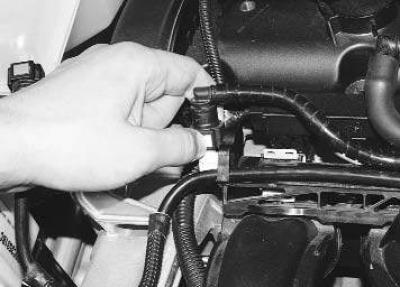
3. Disconnect the fuel supply line from the fuel rail by squeezing the locking element of its fastening.
Caution! The fuel in the fuel system is under high pressure, so do not loosen the fuel line connections while the engine is running or immediately after it has been stopped. To carry out work on the fuel system on a freshly stopped engine, it is necessary to first reduce the pressure in the fuel system (see "Reducing pressure in the fuel system"). After 2–3 hours after the engine has stopped, the pressure in the fuel system will drop on its own to almost zero.
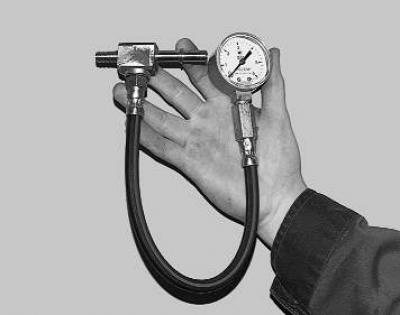
4. To check the fuel pressure, connect a pressure gauge (with a measurement limit of at least 5 kgf/cm²) between the fuel rail and the fuel supply line. With the engine idling, the pressure in the fuel line should be at least 300 kPa (3 kgf/cm²).
The following are possible reasons for the decrease in pressure:
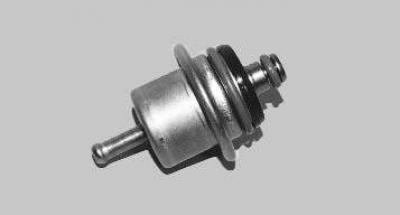
- faulty fuel pressure regulator;
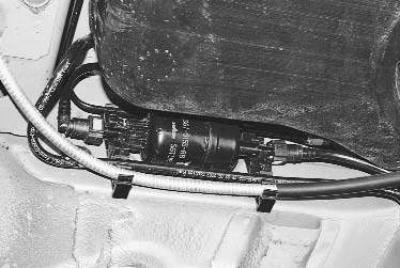
- clogged fuel filter;
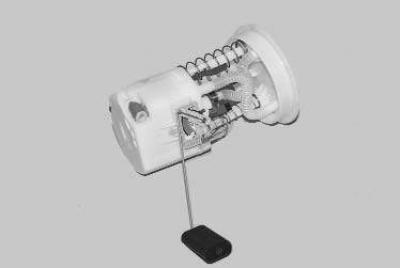
- faulty fuel pump.