Warning! If the low oil pressure warning light comes on while the engine is running and continues to light at high speed, this is an alarming sign. You must immediately stop driving, stop the engine and find out the cause. Further operation of the engine with low oil pressure can lead to serious damage and large financial costs for repairs.
Checking the lubrication system
1. Open the hood. Do not rush to check the oil level in the engine right away - let it drain into the oil pan, this will take two to three minutes. During this time, carefully inspect the engine - are there any fresh oil leaks on it.
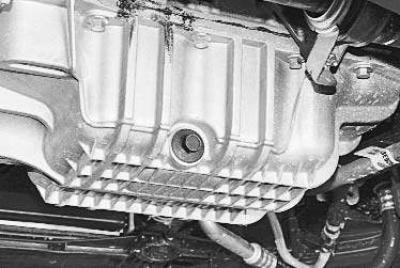
2. Look under the front of the car to see if the engine oil pan is punctured or if there is a leak.
Note: If an oil leak is detected from a punctured oil pan, try to temporarily seal it on the spot. For this, you can use a car inner tube, a piece of rubber, a rag, a wooden plug, etc. A good result can be achieved by using modern repair materials such as "cold welding", which are available in auto stores.
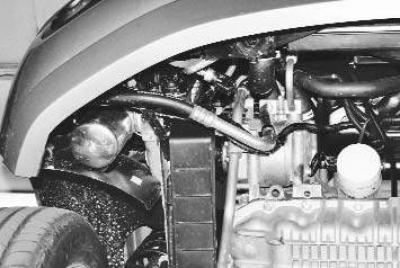
3. Pay attention to the oil filter. Oil may leak from under the rubber filter gasket if it is damaged or the filter is not tightened properly. Sometimes it is enough to turn it a little clockwise.
Warning! Hot engine parts can cause burns, so wear gloves and long sleeves.
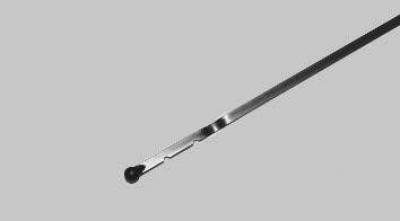
4. Remove the dipstick, wipe it with a clean rag and reinsert it. Remove the dipstick again and check the oil level. It should be between the upper and lower marks (notches on the edge of the dipstick).
5. If the oil level is below the lower mark, add oil to the level.
Note: If you don't have a funnel to add oil, you can use a funnel made from a plastic bottle.
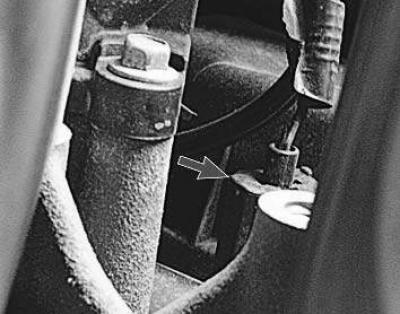
6. Start the engine. If the oil pressure warning light goes out when the level is normal, you can continue driving. If the light does not go out, check the oil pressure sensor for proper operation. The sensor is installed at the bottom of the front part of the cylinder block next to the clutch housing. Unscrew the standard oil pressure sensor and install a mechanical pressure gauge in its place. If the pressure at normal idle speed is more than 0.1 MPa (1.0 kgf/cm²) and increases with increasing speed, the sensor or its electrical circuit is faulty.
Note: If you do not have a pressure gauge, the only option left is to check the reliability of the contact in the block with the sensor wires or replace the sensor with a known good one.
If, after eliminating all visible causes, the oil pressure in the engine is insufficient (the emergency oil pressure drop lamp is on), carry out diagnostics and repair of the engine (see section. "Engine").
Warning! Do not try to drive to the garage - the engine will fail. Tow the car for repairs with the engine not running.
Note: Before you begin repairing the engine, check the condition of the oil pump (see "Oil pump repair").
(The text was obtained in its entirety from the specified website: FORDBOOK)