On cars with automatic transmission, the engine is removed without the transmission. Removal of engines installed before May 1998 (cars with manual transmission) is carried out in the following order:
- loosen the nuts securing both front wheels;
- Disconnect both cables from the battery and all wires connected to it. The cable connectors in the bundles must be cut accordingly and replaced with new ones during installation;
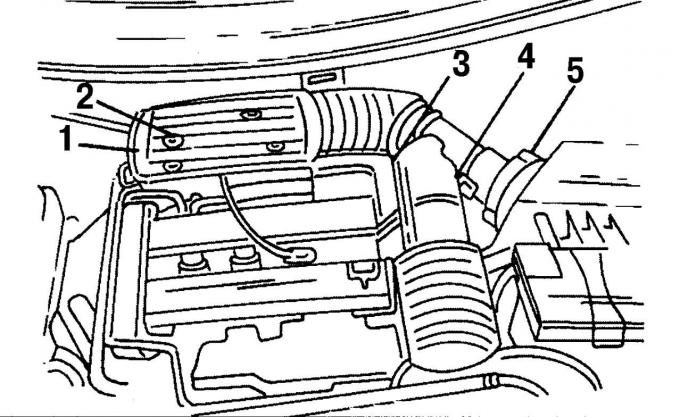
Fig. 22. Fastening of air intake pipes: 1 — fastening bolts, 2 — plug, 3 — plug block, 4 — clamp, 5 — low-pressure hose
- remove the intake pipe, for which first remove the four bolts 1 (Fig. 22) of the fastening. Then remove the plug block 3 from the sensor and release it on the same side, remove the clamps 4 of the hose. Remove the multi-contact plug 2 of the intake air sensor. On the left side there is a low-pressure hose 5. Remove it;
- remove the air filter. To do this, disconnect the air supply hose between the filter and the cylinder head cover. Unhook the rubber ring on the right and lift the air filter on the right side out of the mount, grab it from the left and remove it;
- squeeze the plastic clamps and remove the hoses from the fuel lines;
- remove the throttle cable safety clip, disengage it from the throttle cable lever and carefully move the entire cable back;
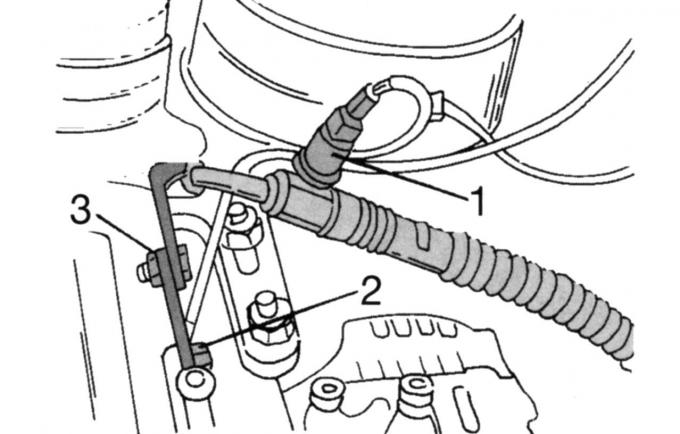
Fig. 23. Disconnecting the steering hose: 1 - plug connector, 2 - cable, 3 - hose
- remove the plug connector of the power steering pushbutton switch 1 (Fig. 23). Unscrew the ground cable 2 from the engine eye and disconnect the high-pressure hose for the auxiliary pump 3 of the power steering;
- Disconnect the various low pressure hoses, marking the end of the hose and the connecting pipe with a felt-tip pen. The hoses are connected to the following parts: one hose is connected to the intake pipe, the other to the fuel pressure regulator. The hose connected to the diaphragm belongs to the EGR system, both hoses below belong to the Pulse-Air system. Remove the next hose from the engine purge valve;
- place the front of the car on supports;
- place a suitable container under the front of the car and unscrew the protective shield under the radiator. Open the radiator drain cock. Drain the leaking coolant into the container;
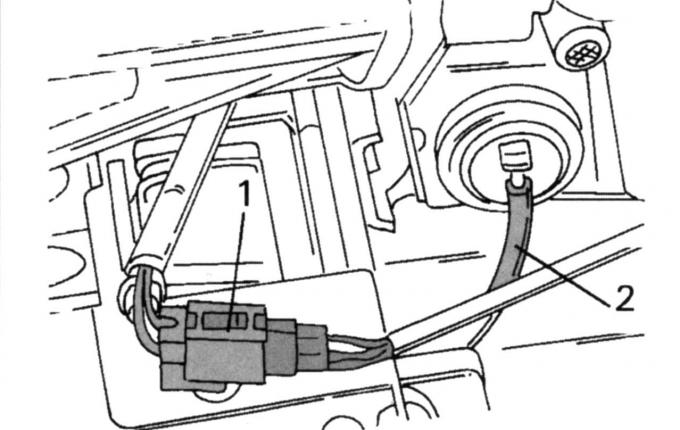
Fig. 24. Disconnecting the multi-contact plug (1) from the lambda probe and hose 2 from the Pulse-Air system filter
- remove the multi-contact connector block 1 (Fig. 24) from the lambda probe and release it from the mount. Remove the low-pressure hose 2, located in the immediate vicinity. It is connected to the Pulse-Air system filter;
- remove the exhaust system as a whole. To do this, unscrew the pipe from the exhaust manifold and remove the rest of the system from the rubber hangers;
- remove both front wheels. On the engine belt pulley side, unscrew the shield in the wheel well and remove the belt pulley guard;
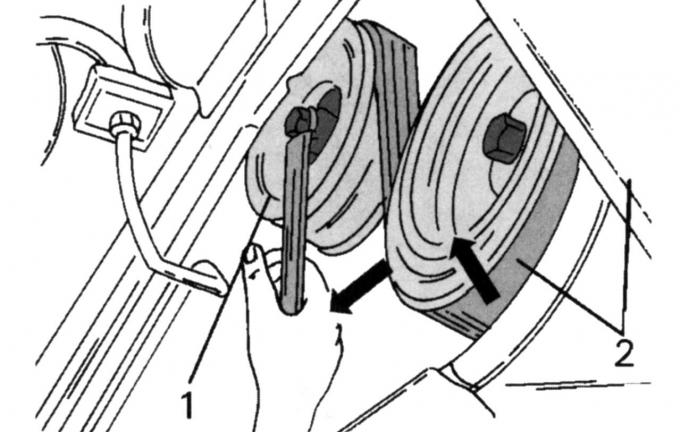
Fig. 25. Loosening the belt tensioner: 1 - tensioner, 2 - drive belt
- loosen tensioner 1 (Fig. 25) of the drive belt enough to remove it from the pulley. Then temporarily screw the wheels back on and lower the car to the ground;
- find the ground cable between the body and the gearbox. It is located near one of the gearbox mounts;
- remove the clutch control cable from the clutch release lever, release it from the heel and push it to the side;
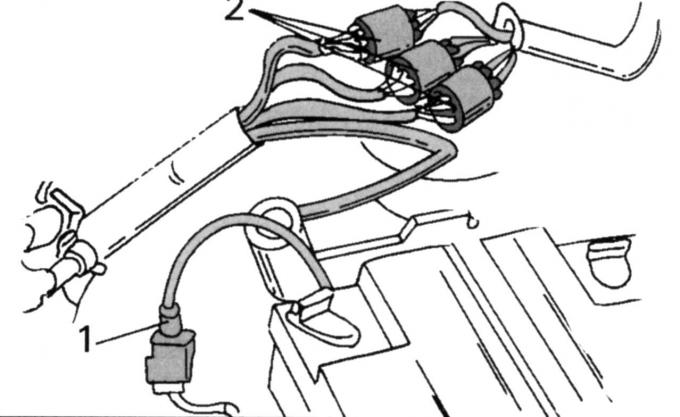
Fig. 26. Disconnecting the plug connectors
- Disconnect plug connector 1 (Fig. 26). Mark the three plug connectors 2 before removing the main engine wiring harness;
- release the power steering fluid reservoir from the mounting clamp;
- Disconnect the multi-pin plug connector of the engine wiring harness from the module. The plug connector is secured in the middle with a screw. Disconnect the ground wire located nearby on the left;
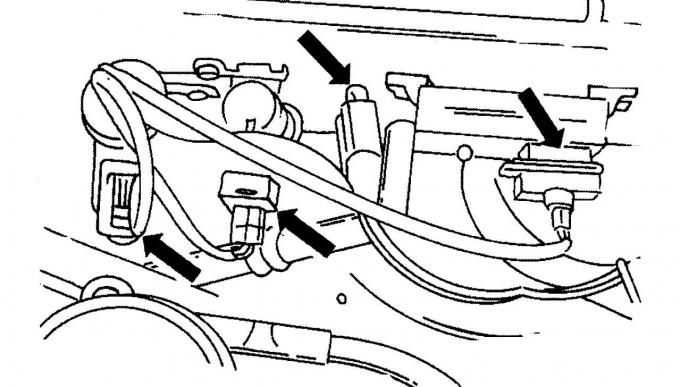
Fig. 27. Location of plug connectors on the front wall of the engine compartment
- Disconnect the plug connectors (Fig. 27). They are also connected to the main engine wiring harness and are located on the front wall of the body;
- unscrew the heat shield of the exhaust manifold;
- Tie the radiator securely to the engine hood support and disconnect the coolant hoses from the thermostat housing. If necessary, you can cut the clamps if you have difficulty removing them;
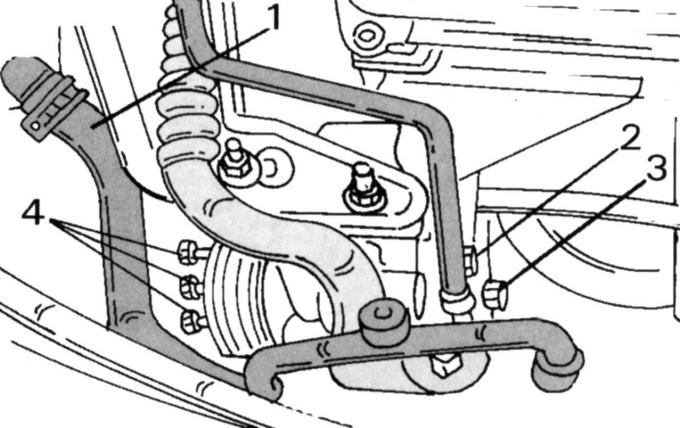
Fig. 28. Fastening of auxiliary steering pump: 1 — hose; 2 - fastening clamps; 3, 4 - mounting screws
- release the auxiliary power steering pump from its mount. To do this, first disconnect hose 1 (Fig. 28) from the expansion tank of the cooling system. On the right side, remove the fastening clamp 2 of the pump high-pressure line, unscrew the screws (3 and 4) and lay the pump on its side;
- Place the front of the car back on the supports;
- disconnect the ball joint on the left and right from the lower part of the steering knuckle. In doing so, disconnect the system of rods and levers of the anti-roll bar (from the shock absorber strut of the chassis) and the joint of the steering trapezoid rod (from the steering knuckle);
- Disconnect the control rod and support rod from the gearbox. You also need to loosen the control rod clamp so that you can pull out the control rod after loosening the clamp screw. Mark the clamp on the rod. Unscrew the support rod;
- unscrew the heat shield and the shift handle guide console at the bottom of the car. Move the entire shift mechanism back and tie it with a rope;
- unscrew the steering and rear engine stop from the subframe. The steering screws are difficult to reach, so you need to use a specially curved wrench for this;
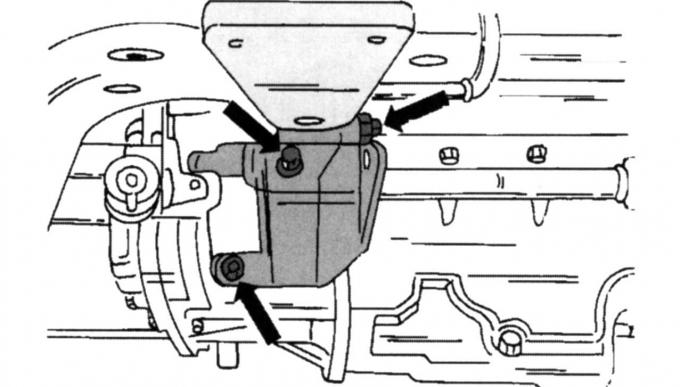
Fig. 29. Location of console mounting screws
- loosen the three mounting screws shown in Fig. 29 and remove the rear anti-rotation stop console from the gearbox;
- unscrew the middle screw from the front stop against engine rotation;
- remove the radiator bracket;
- unscrew the four subframe mounting screws and drain the oil from the gearbox;
Note: Mark the subframe installation position accurately before removing it.
- disconnect the heating hose from the heating pipe, remove the lower radiator hose and the heating pipe mounting clamp;
- if air conditioning is installed, remove the compressor screws, remove the electromagnetic clutch connector and remove the compressor. Tie it to the chassis with a wire;
- disconnect the low pressure hose of the brake booster from the intake manifold pipe. To do this, the quick-release clutch must be open while it is pressed against the connecting element and the hose is pulled out;
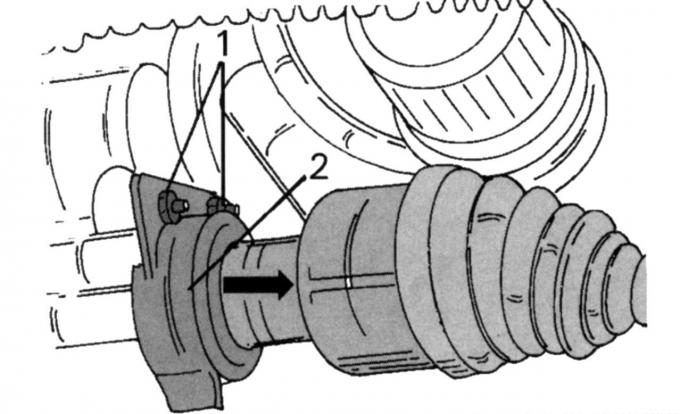
Fig. 30. Removing the right wheel drive shaft: 1 — thrust ball bearing screw; 2 - heat shield
- remove the right wheel drive shaft. It is guided by a thrust bearing. After loosening screws 1 (Fig. 30) and unscrewing heat shield 2, the shaft can be removed from the gearbox. Tie the shaft to the suspension with a wire, without creating a large angle in the constant velocity joint;
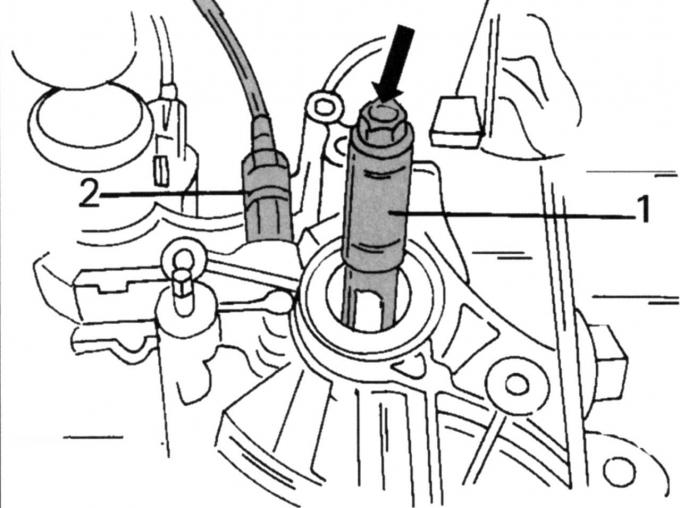
Fig. 31. Removing the left drive shaft and speedometer drive: 1 — mandrel; 2 - nut
- a special mandrel 1 is used to remove the left wheel drive shaft (Fig. 31). Use it to knock the shaft out of its seat and then remove it from the gearbox. Tie the shaft to the suspension with a wire, without creating a large angle in the constant velocity joint. The speedometer drive is shown in the same figure. Unscrew the nut with mesh knurling 2 and remove the drive;
- place a car jack under the engine/drive (with a wooden spacer between the head of the car jack and the engine/drive) and lift the unit up in the suspensions;
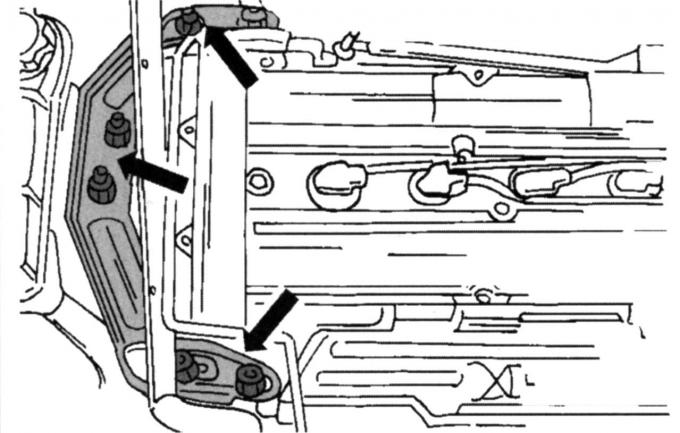
Fig. 32. Right engine mount mounting locations
- remove the right engine mount. Fig. 32 shows how the mount bracket is secured. Unscrew the six self-locking nuts (they should always be replaced with new ones). Then remove the bracket;
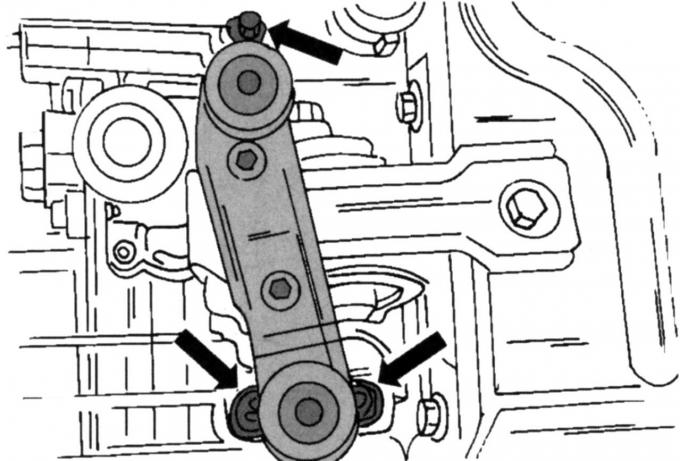
Fig. 33. Left suspension mounting locations on the drive
- on the opposite side, unscrew the six self-locking nuts of the left drive suspension. The nuts can be discarded immediately. Fig. 33 shows the fastening;
- check that the engine and drive are firmly mounted on the jack and carefully remove them from the car. At the same time, make sure that the wires and hoses are disconnected at all times.
(The original article is posted at: www.fordbook.ru)