The front wheels set the car in motion, steer it, and bear the brunt of the braking load. As a result, the front tires wear out earlier than the rear pneumatic tires. The condition of the tires is best checked with the car raised on a jack. Check the condition of the tires as follows:
- rotate each wheel, using a screwdriver carefully remove foreign objects from the tread; if there is a splinter or a nail in any part of the tire surface, check the tire for leaks;
- inspect the tire for damage such as cuts, cracks, tread wear, moisture penetrating through damaged rubber;
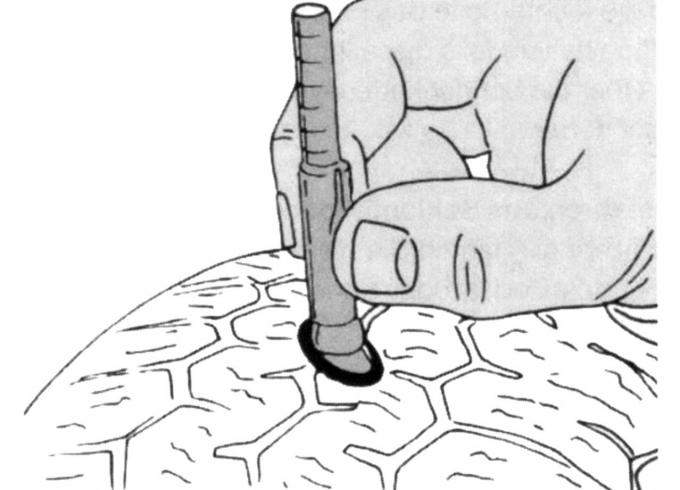
Fig. 305. Using a special gauge to measure tire tread depth
- the tread pattern over the entire working surface of the tire must have a depth of at least 1.6 mm, at this mark in several places of the working surface you can see the wear indicator. The letters "twi" (tread wear indicator) on the sidewalls of the tire indicate where the indicators are located (for safety, replace summer tires at a depth of 2 mm, winter tires at a depth of 4 mm). To measure the depth of the pattern, a special gauge (caliper) is used, which is installed on the tire (Fig. 305);
- check if all tires are worn evenly;
- carefully inspect the sidewalls of the tire; the presence of dents indicates damage to the tire frame.
(The text was obtained in its entirety from the specified website: FORDBOOK)