


Contents: Vehicle identification ↳ Electrical equipment ↳ Foot brake ↳ Steering and suspension ↳ Shock absorbers ↳ Exhaust system ↳
Vehicle identification
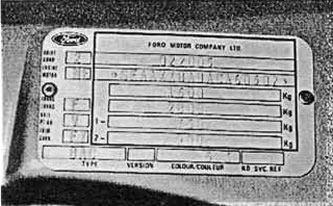
Vehicle number plates must be in good condition, securely fastened, and have clear inscriptions.
The inscriptions on the identification plate (A) and the plate? (B) must be clear.
Electrical equipment
Turn on the ignition and check the operation of the horn.
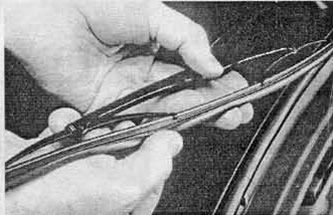
Check the operation of the windshield washer and wipers. Replace damaged or deformed brushes. Also check the operation of the brake lights.
Check the operation of the parking lights and license plate lights. The lenses and reflectors must be securely fastened, clean and undamaged.
Check the operation and direction of the headlight beams. The headlight reflectors should not have any spots and the lenses should not be damaged.
Turn on the ignition and check the operation of the direction indicators (including the indicators on the instrument panel) and the operation of the hazard warning lights. Turning on the parking lights and brake lights should not cause the direction indicators to come on - if this happens, the cause is a poor ground in the rear lamp unit.
Check the operation of the rear fog lights and the corresponding indicator on the instrument panel or on the switch.
Foot brake
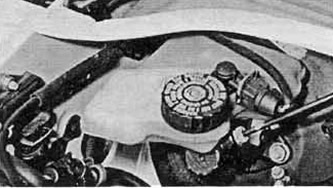
Check the master cylinder, brake lines and booster unit for leaks, corrosion or other damage.
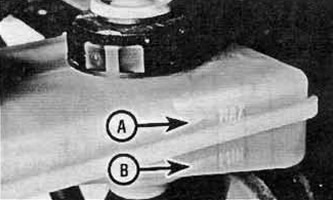
The brake fluid reservoir must be secured and the fluid level must be between the upper (A) and lower (B) marks.
Inspect both front brake hoses for cracks or deterioration of the rubber. Turn the steering wheel from lock to lock and make sure the hoses do not touch the wheels, tires, suspension components or steering mechanism. Press the brake pedal and, without releasing it, check the hoses for bulges or leaks under pressure.
Steering and suspension
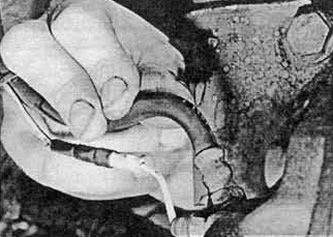
Have an assistant turn the steering wheel slightly from side to side until the wheels begin to turn. Check for excessive play between the steering wheel and steering mechanism, which would indicate excessive wear or poor attachment of the steering column joints, the coupling that connects the column to the steering mechanism, or the steering mechanism itself.
Now have the assistant turn the steering wheel more vigorously from side to side so that the wheels just begin to turn. Inspect all joints, rods and steering gear mounting assemblies. Replace parts that show signs of wear or damage. On vehicles with power steering, check the condition of the power steering pump, drive belt and hoses.
Make sure the vehicle is approximately level and at a normal height above the ground.
Shock absorbers
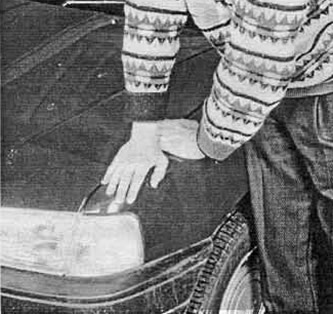
Press each corner of the car in turn, then release it. The car should rise and then return to its normal position. If the car continues to swing up and down, or does not return to its original position at all, then the shock absorber is faulty. The cause of the malfunction may be, in particular, jamming in the shock absorber.
Exhaust system
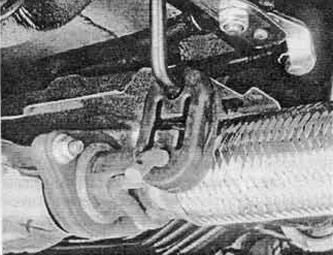
Start the engine. When your assistant covers the muffler pipe with a rag, check the system for leaks. Repair or replace faulty sections.