General information
The air conditioning system comprises a condenser mounted in front of the radiator, an evaporator mounted next to the heat exchanger, a compressor mounted on the engine, an accumulator/water separator, and fittings to connect the above components. The system comprises a diffuser mounted in the intake tract of the evaporator, which reduces the pressure, which is necessary to implement the cooling effect (see Fig. 11.1).
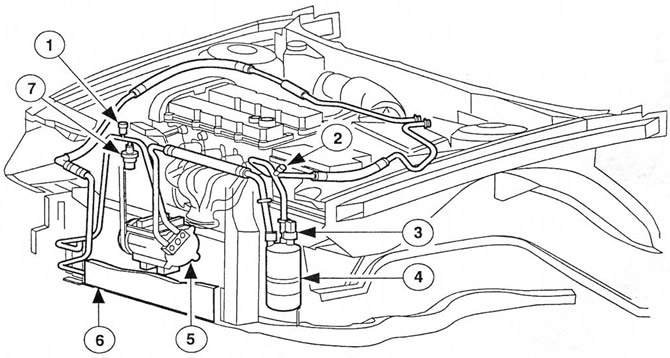 Fig. 11.1. Components of the air conditioning system
1. Schrader valve quick release coupling - high pressure side
2. Schrader valve quick release coupling - low pressure side
3. Pressure pulsation sensor - low pressure side
4. Battery/moisture separator
5. Compressor
6. Capacitor
7. Pressure control sensor - high pressure side
The blower forces warm air from the cabin through the evaporator core (which is like a radiator in reverse - to cool the air passing through it). The heat from the air is transferred to the refrigerant. The refrigerant boils and turns into steam and, giving off heat to the evaporator, exits it.
Precautionary measures
Warning: The air conditioning system is under high pressure. Do not loosen connections or remove components until the pressure in the system has been relieved. Refrigerant must be drained into a special container by an air conditioning dealer or specialist. Always wear eye protection when disconnecting system components.
Special precautions must be taken when installing the system.
- a) Although R134A is less harmful to the environment than the previously used RTS, it is still quite dangerous. Avoid contact with skin or eyes, to avoid the risk of frostbite. Since it is non-toxic, no closed room is required to drain it from the system, but there is a risk of suffocation. Since this refrigerant is denser than air, it should never be drained from the system over an inspection pit.
- b) Do not work with the refrigerant near an unprotected flame, otherwise under certain conditions a toxic gas may form, which when mixed with air may form an explosive mixture. For the same reasons, do not smoke near the refrigerant and especially do not inhale its vapors through a burning cigarette.
- c) The contents of the system must not be discharged into the environment, as this is harmful to it.
- d) Do not mix R134A refrigerant with R13 refrigerant, as the system provides different seals for them (green in the current system, black in the previous one), as well as different fittings that require different tools.
- d) If the system needs to be disconnected, contact your dealer.
- e) Before performing work related to heating - welding, soldering, etc., the emptying of the system must be entrusted to specialists.
[The text was obtained in its entirety from the specified website: fordbook.ru]