Examination
1. If the coolant temperature sensor is not working, first check the fuses (see Chapter 12).
2. If the sensor constantly shows "Hot", refer to the section "Troubleshooting" at the beginning of this guide when discussing possible cooling system problems.
3. If the gauge reads "Hot" shortly after you start a cold engine, disconnect the coolant temperature gauge electrical connector. The sensor is located below the upper radiator hose mount on the thermostat housing on early models, or at the rear of the thermostat housing on later models. If the readings decrease, replace the sensor. If the reading remains high, either the sensor wire is grounded or the sensor is defective.
4. If the indicator shows nothing after the engine has warmed up (approximately 10 minutes), and the fuses are good, turn off the engine. Disconnect the sensor's electrical plug and ground it by connecting it to bare metal on the engine or another ground. Turn on the ignition without starting the engine. If the sensor now reads "Hot", replace it.
5. If the sensor still does not work, either the electrical circuit of the indicator is open or the sensor is faulty, (see Chapter 12 for more information).
Removal
6. Drain the liquid from the cooling system approximately 2-5 liters (see Chapter 1).
7. Disconnect the plug from the sensor (see Figure 6.7).
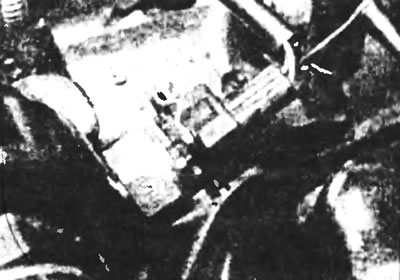
Figure 6.7. Disconnect the plug from the sensor assembly.
8. Unscrew the sensor and remove it.
Installation
9. Clean the sensor installation area as much as possible, then apply a thin layer of sealant to the sensor threads. Screw in the sensor, tighten securely and connect the electrical plug.
10. Add fluid to the cooling system (see Chapter 1) and start the engine. Make sure there are no leaks and the sensor is working properly.