Fuses
1. The main fuses, relays and timers are located in the central junction box located below the instrument panel on the driver's side. In addition, recent models have fuses located in a box installed next to the battery in the engine compartment (see Figure 3.1,a). By opening the fuse box cover, you can inspect the fuses and replace them if necessary. The corresponding fuses and relays are identified on the diagram on the inside of the cover. Each fuse has its rating marked on it. The circuits protected by the fuses and relays are listed in the Specifications at the beginning of this Chapter. Plastic tweezers are located on the inside of the cover for removing and installing fuses (see Figure 3.1,b).
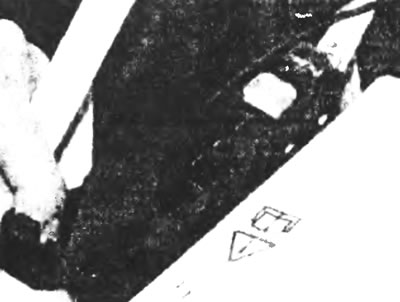
Figure 3.1,a. Recent models have fuse links located in a box installed next to the battery.
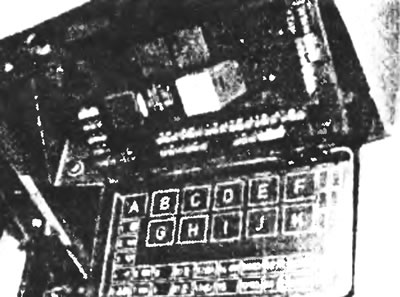
Figure 3.1,b. Symbols for relays and fuses on the inside of the central box cover.
2. To remove the fuse, pull it out of the holder with tweezers. Remove it from the tweezers by sliding it to the side. The wire inside the fuse is clearly visible; if it is broken, then the fuse has blown (see figure 3.2).
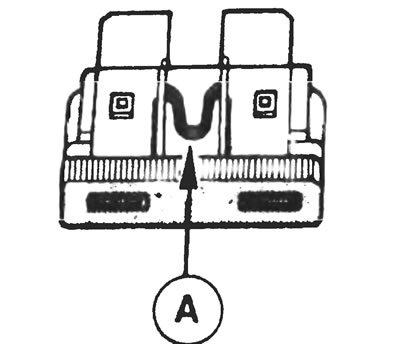
Figure 3.2. When inspecting the fuses, pay attention to the condition of the fusible link (A).
3. Always replace a blown fuse with a new one of the same rating. Never replace a fuse more than once without identifying the source of the fault. The fuse rating is printed on the top of the fuse.
4. Fusible links are included in the positive battery cable and are designed to protect the main wire braid in the event of a short circuit. When the inserts burn out, all circuits are disconnected until the cause of the failure is eliminated and the insert is replaced with a new one.
Relay
5. A relay is an electrical switch that is useful for the following reasons:
- a) The relay can switch high current remotely from the circuit in which it flows, which allows the use of wires and switches of lower ratings;
- b) A relay can accept more than one input control signal, unlike a mechanical switch;
- c) The relay can perform the function of a timer, for example, for intermittent movement of a windshield wiper.
6. Relays and timers are installed in a mounting box. Various relays can be removed from their mounting locations by gently pulling them out of their sockets.
7. If a relay-controlled system does not work and the relay is suspected of being faulty, listen to it with the circuit on. If the relay is working, you should hear a click when it turns on. In this case, the malfunction that has occurred should be associated with the components or wiring of the system. If the relay does not turn on, then it is either not receiving supply or control voltage, or it is faulty.