Contents: Removal ↳ Installation ↳
Warning: Before starting work, please read the warning at the beginning Section 2 about the dangers of brake fluid.
Removal
1. In the engine compartment, disconnect the low brake fluid warning indicator wiring plug from the master cylinder reservoir (see Figure 10.1).
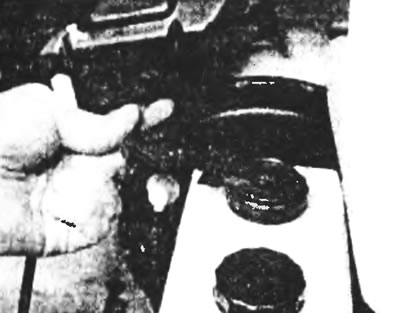
Figure 10.1. Disconnect the low brake fluid warning indicator wiring plug from the master cylinder reservoir.
2. After wiping the surface adjacent to the filler cap, remove the cap. The tank should now be emptied by extracting the liquid with a syringe. Alternatively, you can open the drain screw and drain the liquid into a suitable container.
3. Mark each brake line and where it connects to the master cylinder (see Figure 10.3,a.). After unscrewing the nuts that secure the tubes to the master cylinder, disconnect them. On ABS models, when disconnecting the brake fluid return lines from the reservoir, press the retaining tab towards the reservoir, then simply pull the lines out (see Figure 10.3,b.) Plug the fittings and wrap the ends of the tubes with electrical tape to prevent dirt from getting inside.
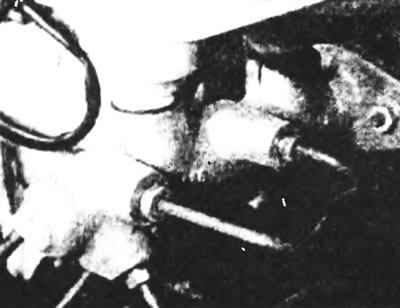
Figure 10.3,a. Mark all brake pipes and their connection points to the brake cylinder before removal.
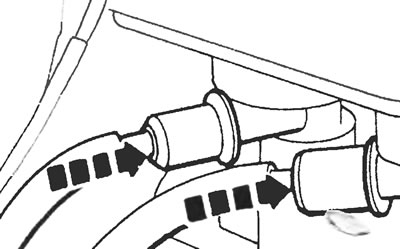
Figure 10.3,b. On models with ABS, press the retaining sleeves toward the reservoir and release the brake lines.
4. On models with ABS, release the vacuum from the booster by pressing the brake pedal several times with the engine off.
5. After unscrewing the mounting nuts, separate the master cylinder from the booster (see Figure 10.5.). Remove the gasket installed between the cylinder and the booster.
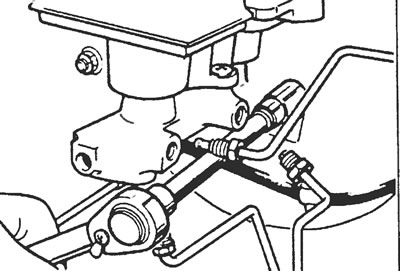
Figure 10.5. Separating the master cylinder from the booster.
Installation
6. Installation is carried out in the reverse order of removal. If replacing the master cylinder, it is necessary to lubricate the seals before installing them on the vehicle, as the seals originally installed have a protective coating. Remove the plugs from the hydraulic tube fittings. Pour clean brake fluid into the master cylinder and pump the primary piston several times to ensure the fluid is distributed over all working surfaces.
7. When installing the brake pipe fittings, they should be able to be connected freely until all the pipes are installed. The master cylinder should also be installed loosely to allow the fittings to engage easily and without twisting. Once all the tubes are connected, tighten their fasteners and the master cylinder retaining nuts.
8. Fill the brake fluid into the reservoir and bleed the brake system as described in Section 2.