Caution: Before starting work, read the warning at the beginning of Section 2 about the dangers of brake fluid and the warning at the beginning of Section 4 about the dangers of asbestos dust.
1. Remove the front brake caliper as described in Section 5. Please note that the two halves of the fixed caliper with the pistons mounted opposite each other must not be separated under any circumstances, as they are specially fastened together during the factory assembly process.
2. Place a wooden block inside the caliper across the piston faces and begin to slowly pump air in (using a foot pump) through the brake fluid inlet channel so that the pistons exit the housing. Once the pistons are partially out, they can be completely removed by hand (see Figure 6.2). Mark the relative position in the housing of each piston.
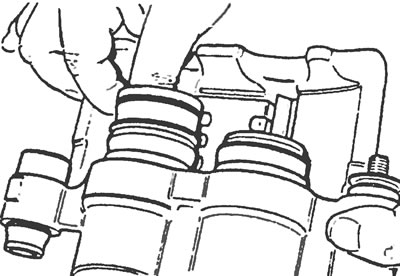
Figure 6.2. Removing pistons from the caliper.
3. Using a tool that looks like a knitting needle, but is not metal, carefully remove the piston seals, as well as either the seal retainers or the protective caps, depending on the type of caliper.
4. Clean the pistons and caliper with methyl alcohol and let them dry. Inspect the piston and caliper working surfaces for wear, damage and corrosion. If only the piston surface is unserviceable, order a repair kit that includes new pistons and seals; if the body is unserviceable, replace the entire caliper with a new one. If both the pistons and the housing are in satisfactory condition, purchase a seal repair kit. On floating calipers, check the condition of the sliding bushing bolts and the bushings themselves, replacing these components with new ones if necessary (see figure 6.4). The bushings can be removed and installed in place using punches of the appropriate diameter.
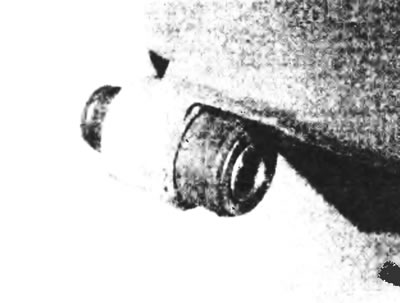
Figure 6.4. Check the condition of the guide pin bushings in the caliper.
5. After dipping all the caliper parts into clean brake fluid, install (without any tools) new seals on the caliper sleeves.
6. After installing either the seal retainers or the protective caps, lubricate the caliper sleeves with brake fluid and carefully insert the pistons. If installing the old pistons, make sure they are all installed in their original liners. After installing the pistons, hook on the protective caps (if installed) with recesses in the support.
7. Install the caliper as described in Section 5.
(The text was obtained in its entirety from the specified website: www.FordBook.ru)