Start of movement
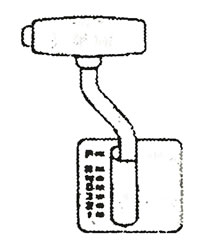
Set the engine to idle speed, press the brake pedal, move the gear selector lever to one of the positions and release the brakes. The car will move by itself. To increase speed, press the accelerator pedal.
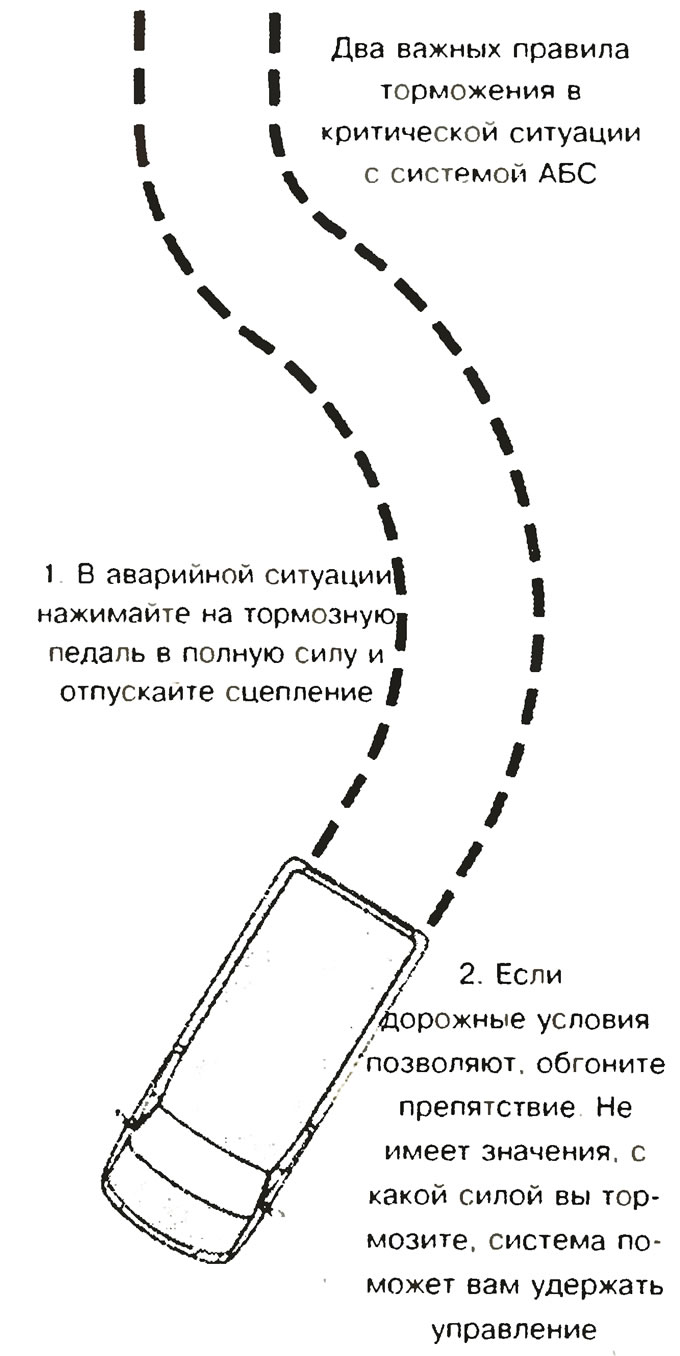
Stop
Release the accelerator pedal and press the foot brake. Leave the gear selector lever in place. To accelerate the car again, release the foot brake and press the accelerator pedal.
Acceleration of a car
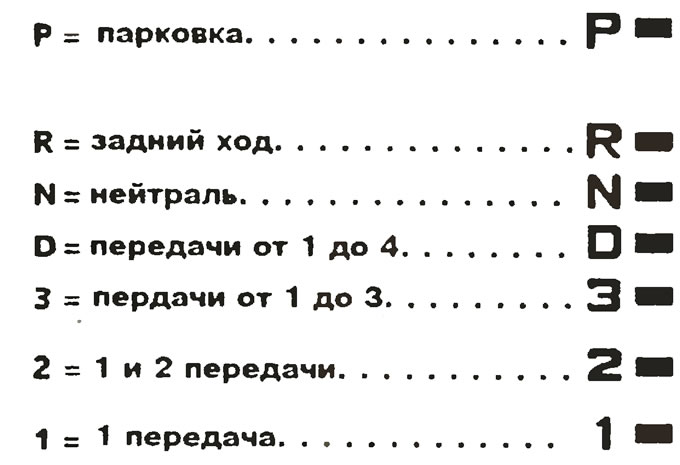
The automatic transmission can be used to increase torque when driving on steep slopes and uneven terrain. To achieve effective acceleration, press the accelerator pedal fully down with the gearshift lever in D or 3.
Manual gear shifting
Movement
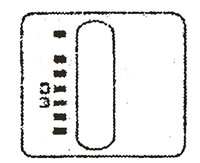
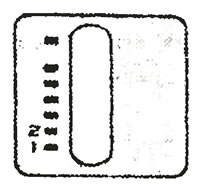
Select position 1, release the handbrake and press the accelerator pedal. Move the lever to position 2, 3 and D as the speed increases.
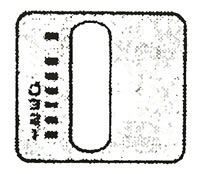
Engine braking
If the gearshift lever is moved from position D or 3 to position 2 while driving, the automatic transmission will shift to second gear as soon as the speed drops below 125 km / h and remains in this gear.
If the lever is moved to position 1, the automatic transmission will remain in second gear until the speed drops to 60 km / h. The next time you reduce the speed, it will switch to first gear and stay in it.
Moving on sand, mud or snow
Try the rocking method: quickly move the lever back and forth between the D and R positions while keeping the engine speed low
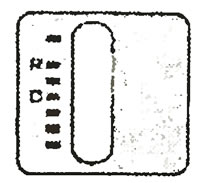
To increase the effect, select R when the car continues to move forward and vice versa.
Warning! A car with an automatic transmission cannot be started by towing or pushing. Use jumper cables to jump start the engine from another car.
Limited slip differential
The viscous clutch in the differential prevents wheel slippage on slippery and smooth surfaces on one side. The torque is evenly distributed between the drive wheels.
(This article was borrowed from the website: «fordbook.ru»)