2. Vehicles with Lucas/CAV fuel injection systems may have a manual priming pump located on the fuel filter. Vehicles with a Bosch type system or later Lucas/CAV systems generally do not require priming as these systems are self-priming. In some cases, however, depending on the extent of disassembly of the fuel system, it may be necessary to prime the high-pressure circuit.
3. When working on a Lucas/CAV system with a hand pump, operate the primer plunger slowly, approximately 15-20 strokes, or until resistance is felt. This indicates that the air has already been removed from the high pressure fuel pump (see figure 2.3). Once all the air is removed, you can hear the fuel circulating through the pump.
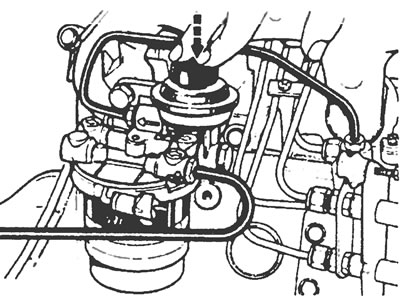
Figure 2.3. Manual bleed pump for the fuel supply system.
4. For all systems, the engine must start with the starter within ten seconds. If the engine does not start, it is possible that air has entered the injector. Then the high pressure circuit needs to be cleaned as follows.
5. Place a clean rag around the fuel line connections to the injectors to absorb any spilled fuel, then loosen the fuel line connections.
6. Start the engine with the starter until fuel appears at the connection points, then stop starting the engine with the handle and secure the connections. Wipe up any spilled fuel with a mop.
7. Start the engine by fully depressing the gas pedal. Additionally, it may be necessary to start the engine manually for final bleeding before starting.