Contents: Removal ↳ Installation ↳
Removal
1. Disconnect the negative battery cable.
2. On vehicles manufactured before 1995, remove the radiator grille (Chapter 11), then unscrew the hydraulic hose clamp bolts on the front grille (see Figure 34.2).
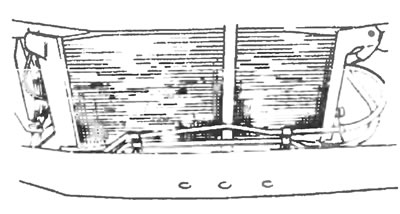
Figure 34.2 On pre-1995 models, remove the hydraulic hose clamp bolts from the dash panel.
3. Remove the clamp bolt securing the high pressure hose to the rear of the power steering pump support bracket.
4. Substitute a suitable container (or capacity) under the steering gear with the pump, disconnect the hoses from both of them. On later vehicles with rack and pinion power steering, remove the bolt securing the retaining plate to the steering gear housing, remove the plate and pull out the hoses. Clean the surrounding areas of the hose connections and seal the openings to prevent further fluid leaks and to prevent dirt from getting inside.
5. Disconnect the hoses from the tank. On later models, the hose connections have quick-release fittings to reduce fluid loss. To release such a connection, press the release clamp on the connection and pull the hose out.
6. Disconnect the tubes from the mountings on the rack and pinion steering gear housing.
7. If the hoses or sealing rings of their connections are damaged, the hoses should be replaced with new ones. O-rings are only sold as a set with a new hose, so handle them with care if you plan to use them multiple times (see Figure 34.7).
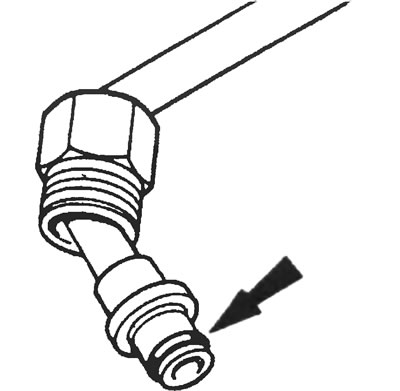
Figure 34.7. Sealing ring (indicated by the arrow) on the tip of the high pressure hose.
Installation
8. Installation is carried out in the reverse order of removal. Make sure all connections are clean and not overtightened.
9. Once completed, add fluid to the system (but do not reuse old fluid) and pump the system as described in Section 35.