General information
1. The Passive Anti-Theft System (PATS) is available on all models produced since 1995. This system will not allow the engine to start until the PATS receiving device recognizes a special code programmed into the ignition key.
2. The PATS acceptance device, which is installed near the ignition switch (lock) and starter, decodes the signal coming from the ignition key when the key is turned from position "0" to position "II". If the code signal corresponds to the one recorded in the PATS memory, the engine starts. If the signal is not recognized, the engine's fuel system and starter will not operate, thereby preventing the engine from starting. It is important to remember that a faulty PATS may be one of the reasons why the car will not start.
3. The presence of the PATS system is indicated by an indicator on the instrument panel or on the front panel.
Replacement of elements
PATS receiving device
4. Disconnect the negative battery cable.
5. Unscrew the screws and remove the upper and lower steering column covers.
6. Unscrew the single screw and remove the PATS receiver from the ignition socket (see Figure 30.6).
7. With the wiring harness released from the clamps on the steering column, follow the harness down the steering column and disconnect the multi-pin connector. Remove the receiving unit from the vehicle.
8. Install in the reverse order of removal.
Main unit of the PATS system
9. Disconnect the negative battery cable.
10. Contact Chapter 11 and remove the front panel.
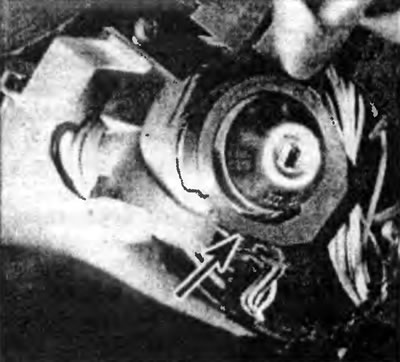
Figure 30.6. Location of the PATS system receiving device (indicated by the arrow) relative to the ignition switch.
11. Disconnect the multi-pin plug from the PATS unit mounted on the engine compartment bulkhead.
12. Pull the unit down to remove it from the mounting bracket.
13. Install in the reverse order of removal.
(The original article is posted at FordBook.ru)