Contents: Post-warranty service for Ford… ↳ Defining the repair task ↳ Ford service center and any other… ↳ Always make a repair contract in… ↳ Coordination of the cost of work ↳ Special offers on spare parts and… ↳ Checking the auto repair shop… ↳ Filing a claim in a timely manner ↳ Safety first ↳

PRACTICAL ADVICE
Check and guarantee
During technical inspections, the condition and operation of the structural elements that are important for the reliability and safety of your car are checked first. If necessary, worn parts are also replaced.
After 20,000 km, the brake system, wheel suspension, tyres and steering may show significant wear that is not noticeable to the driver. Regular maintenance not only keeps your Fiesta in good working order, but also serves, above all, your own safety.
For Fiesta, Ford recommends routine maintenance every 15,000 km (10,000 km for Fiesta D), including an oil change.
If your car's annual mileage is low, be sure to visit a service center once a year for maintenance.
If you have a new Fiesta (or an engine after a major overhaul), be sure to follow the maintenance intervals and refuse to do the work yourself. Each car manufacturer will satisfy justified claims only if the maintenance work was carried out in a timely manner by a service center.
The Fiesta should be taken to a workshop for regular maintenance, at least while under the new or used car warranty. The new Fiesta has a one-year, unlimited-mileage general warranty. Ford provides a six-year warranty against corrosion through the body.
Post-warranty service for Ford vehicles
After the new vehicle warranty expires, Ford guarantees assistance for all damage and malfunctions to all critical vehicle components and systems for the second year of vehicle ownership – up to a maximum of 50,000 km. For the second year and up to the fourth year of ownership, the warranty is valid up to a maximum of 100,000 km. For the first 12 months of ownership of your Fiesta, Ford promises a breakdown warranty, including a hotline, towing, hotel accommodation and rental car. If the repair takes longer than promised by the seller, you will be provided with a rental car, demo car or transport service free of charge.
Defining the repair task
If you want to avoid the inevitable irritation after communicating with the employees of the auto repair shop or you simply do not have time to do the work yourself, do not have the necessary experience or do not have expensive tools, do not pass by the auto repair shop. In any case, it depends on you whether you leave the auto repair shop satisfied with the work done. Even before visiting the auto repair shop, pay attention to the advice and "rules of the game" with the employees of the auto repair shop, which you have previously collected.
Ford service center and any other auto repair shop
You are free to choose which auto repair shop to visit. Along with Ford service centers, other auto repair shops can be a good solution. Many types of repairs are performed there as professionally as in Ford service centers. And work on changing oil, brake pads, tires and bumpers is even cheaper.
During the warranty period, your car must visit a service center. This applies to technical inspections, as well as to repairs of the most important units. You can - despite the warranty - carry out simple damage to the body and paintwork yourself or entrust this repair to any auto repair shop. But if the repair was not carried out by a service center and problems arise after the repair, you lose the manufacturer's warranty.
Always make a repair contract in writing
Make a list of the faults and damages that are present in the Fiesta. Discuss it with the mechanic at the car service. If something is unclear, ask questions immediately. Show the faults or damages directly on the car.
Formulate precise repair instructions: General instructions such as "prepare the car for an MOT" leave a lot of room for disagreement. Especially when you have to pay for work you felt was unnecessary.
Always make a repair contract in writing. The contract should, if possible, clearly formulate the list of works that need to be carried out. Always ask for confirmation of the repair contract.
Coordination of the cost of work
Find out the approximate cost of work and materials before you issue the final repair task. Set a price limit for possible additional work. If the volume and cost of repair cannot be determined in advance, tell the master your own limit.
Understand the expected cost of diagnostic maintenance. For example, if your car is getting high gas mileage or is having trouble starting, diagnostic maintenance will often be significantly more expensive than the repair itself. So limit your troubleshooting to a price limit.
Give the repairman your phone number so that if any questions arise, the repairman can quickly find you. For example, when the repair exceeds the agreed volume or limit. Additional agreements are recorded in writing in the contract.
Ask for a written preliminary estimate of the work and services, and upon completion, a detailed bill. The auto repair shop's bill should not exceed the preliminary estimate by more than 15-20%.
Special offers on spare parts and service - up to 30% cheaper
If your Fiesta is not the first freshness, it makes sense to inquire about special offers for spare parts and service. Service centers often offer original spare parts at a reduced price - you can easily save up to 30% here.
If it is necessary to replace a unit, do not rush to choose a new unit. Inquire about the possibility of installing a used unit that has passed the appropriate inspection and has a guarantee. Such units for replacement are the engine, fuel injection system, gearbox, clutch, generator, starter and water pump.
An oil change at a garage is expensive, as they will gladly fill you with the most expensive grade of oil in their range. Ask about cheaper grades of oil of the same specification - as a rule, your Fiesta drives just as well on such oil.
Checking the auto repair shop account together with the master
After the repair, check the repair bill with the repairman or service center consultant. Let them explain any abbreviations and special terms you don"t understand.
The following costs must be listed as separate items on the invoice: wages, materials and VAT. You can appeal errors in the invoice for repairs within six months of receiving it.
Filing a claim in a timely manner
For poor quality repairs, you must file a complaint. The auto repair shop accepts your claims for poor quality repairs within six months (warranty). Service centers are responsible for damage caused by unqualified repairs.
If damage or breakdowns occur in your car after a poor-quality repair, you can demand that the car service center fix them, and in case of refusal, file a lawsuit.
Safety first
We have already mentioned it many times, but we will emphasize it once again: safety is an absolute priority - especially when you are repairing your Fiesta yourself. Only do the work that you can do 100%. Never undertake work for which you have little or no experience. Unqualified repairs can have fatal consequences - by the way, not only for you, but also for third parties not involved in road traffic.
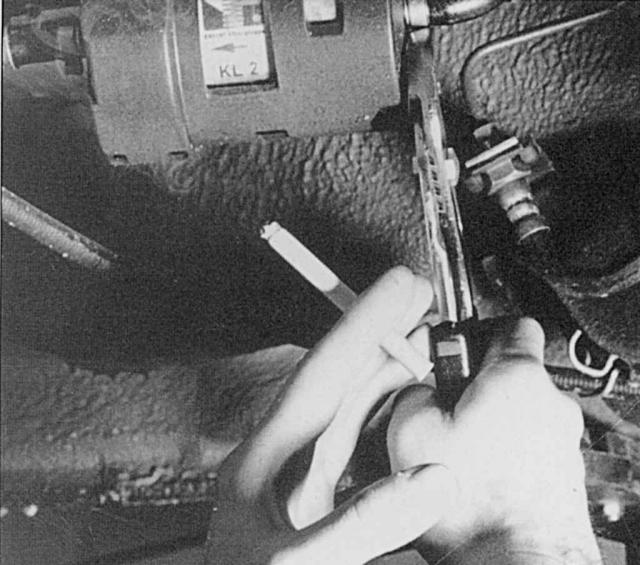
Fig. 2.22. Smoking is strictly prohibited during all maintenance and repair work
Smoking and replacing the fuel filter are two absolutely incompatible activities (Fig. 2.22). During all maintenance and repair work, the cigarette must remain in the pack.
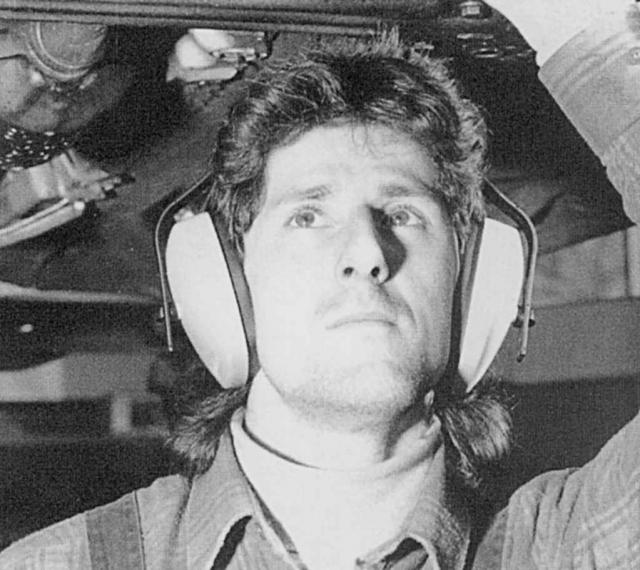
Fig. 2.23. Using headphones when performing bodywork or with the engine running
When performing body work or work that requires the engine to be running, it is necessary to use headphones (Fig. 2.23).
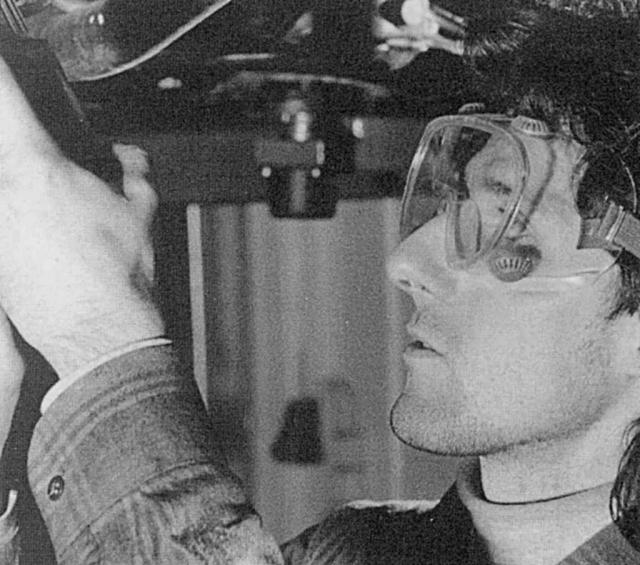
Fig. 2.24. Using goggles to protect your eyes when drilling, grinding and chiselling
When drilling, grinding and working with a chisel, wear protective glasses (Fig. 2.24). Eye protection is recommended when you work under a car with a fuel system or when cleaning the bottom of a car. When welding, be sure to wear special glasses.
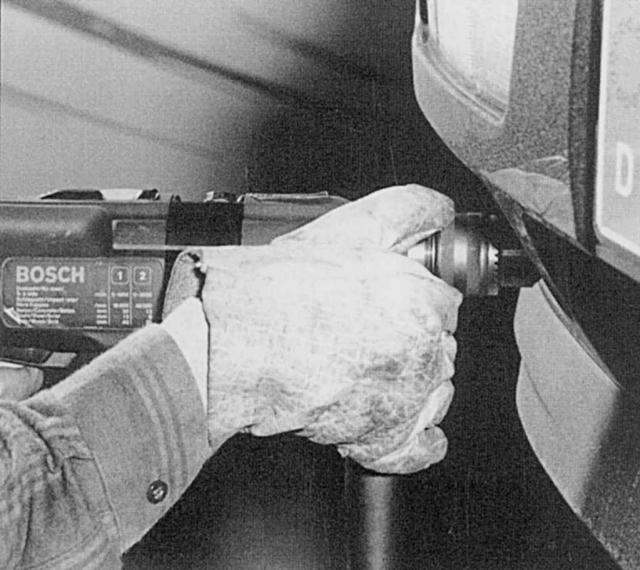
Fig. 2.25. Using gloves when working with a drill is dangerous
Although work gloves will protect you from dirt or scratches caused by sharp edges of sheet metal, they are dangerous when drilling. If the drill chuck catches your glove, injury is inevitable (Figure 2.25).
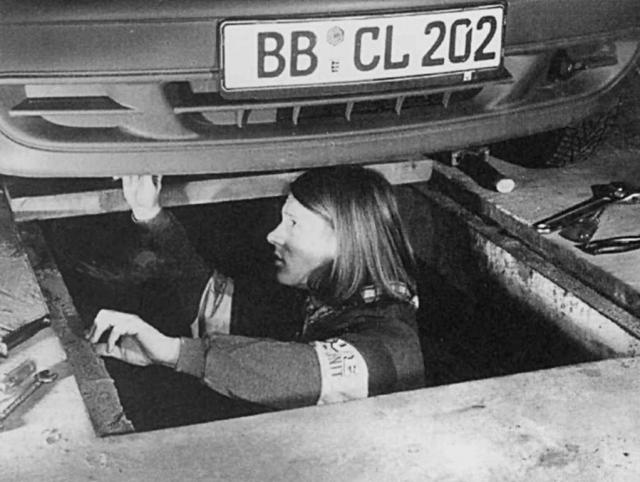
Fig. 2.26. When working in a poorly ventilated inspection pit, care must be taken as fuel vapors and exhaust gases may accumulate in it
Use caution when working in a poorly ventilated inspection pit (Fig. 2.26). Fuel vapors and exhaust gases may accumulate here. When the engine is running, there is a danger to life due to exhaust gas poisoning.
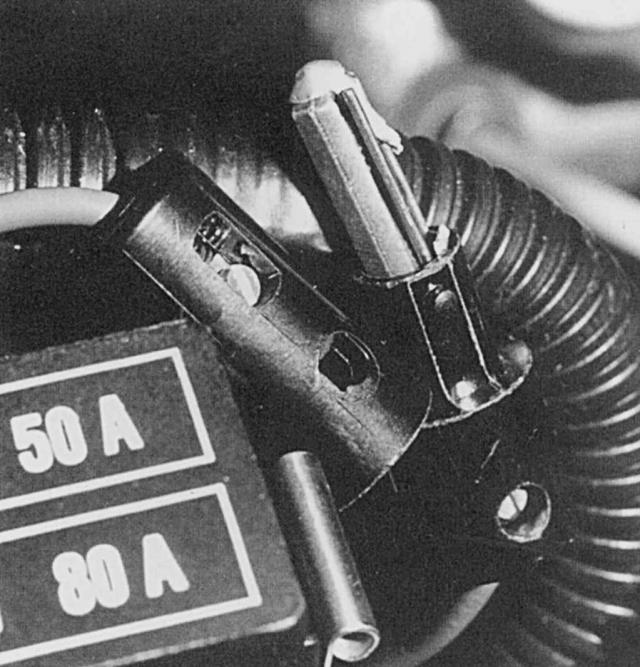
Fig. 2.27. It is not permitted to use a jumper to replace the fuse link, as this may result in subsequent damage to parts or ignition of the wire
Blown fuses should always be replaced with new fuses of the same type and amperage. Never use wire or a paper clip as a jumper (Fig. 2.27). This may result in damage to the structural components or, even worse, a fire in the wire.
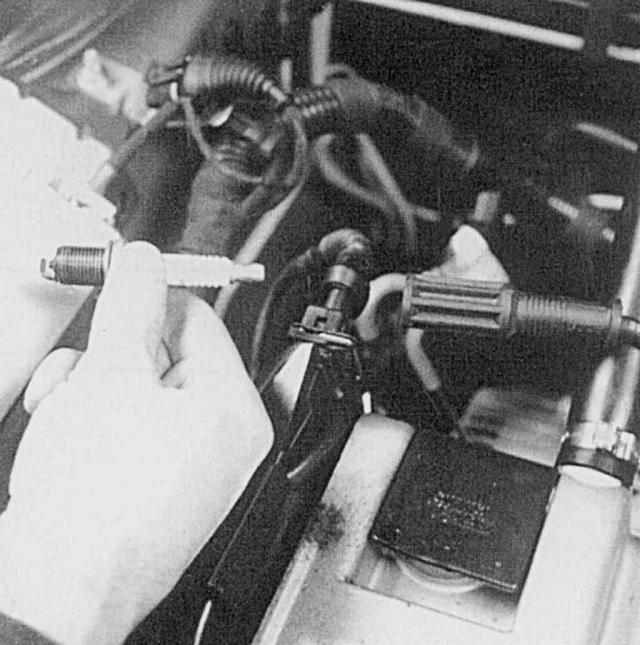
Fig. 2.28. Checking the ignition system elements with the engine not running
Be careful when working with the ignition system! When the engine is running, the system is under high voltage (primary electrical circuit) up to 30,000 V. Therefore, only check the ignition when the engine is not running or perform the check so that you do not have to touch the high-voltage wires with your hand while the engine is running (Fig. 2.28).
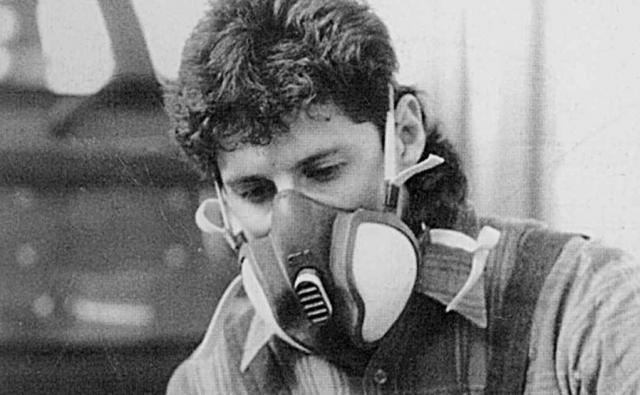
Fig. 2.29. Using a special protective mask when painting or polishing large surfaces on a car
When you varnish or polish large surfaces on a car, be sure to wear a special protective mask or respirator (Fig. 2.29). Also, make sure there is sufficient ventilation in the room where the painting work is being done.
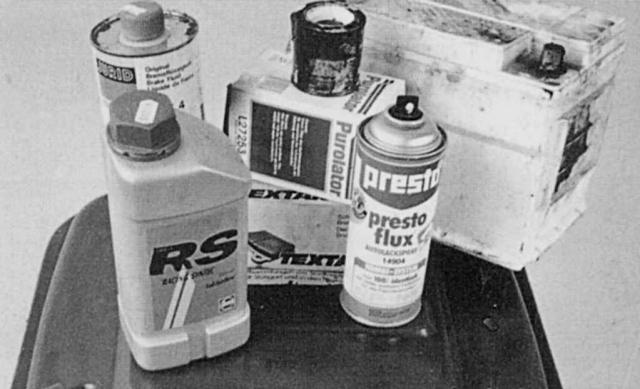
Fig. 2.30. Used aerosol cans, paint and varnish containers must be disposed of in specially designated places
Do not dispose of aerosol cans, used oil, brake fluid, paint and varnish containers or old brake pads with household waste (Fig. 2.30). Used batteries are accepted at the places where they are sold.
For details, please visit the website FORDBOOK.ru